




20 Jan What Is Osteopathy? Understanding Its Benefits and What to Expect During a Session
What Is Osteopathy? Understanding Its Benefits and What to Expect During a Session
I’m often asked the question: what is osteopathy?
The short answer is:
➡️ Osteopathy is a holistic manual therapy that aims to restore mobility to the body’s structures in order to support balance and the body’s natural ability to heal itself.
But in practical terms… what does that actually mean for you?
In this article, you’ll learn:
- what osteopathy really is
- how a session works
- what to expect
- when to consult
What is Osteopathy, Exactly?
Osteopathy is a hands-on therapeutic approach based on an in-depth understanding of anatomy and the body’s overall functioning.
An osteopath uses different techniques adapted to your condition, including:
- musculoskeletal techniques (joints, muscles, ligaments)
- visceral techniques (organs)
- cranial techniques
- fascial techniques
Through: - precise observation
- specific testing
- refined palpation
the osteopath identifies areas of restriction and works to:
- improve tissue mobility
- reduce tension
- help the body self-regulate more effectively
In short: we don’t just treat symptoms—we look for the root cause.

Osteopath assessing the sacrum during treatment for lower back pain
What Happens During an Osteopathy Session?
1. Health Intake
The session begins with a detailed health history.
You will have completed it online before your appointment, but the osteopath will review it with you and ask additional questions.
Even if it seems very thorough, it is essential to:
- understand your medical history
- identify connections between symptoms
- tailor the treatment to your specific needs
2. Physical Assessment
The osteopath will then perform several observations and tests:
- posture
- mobility
- tests performed standing, sitting, or lying down
3. Treatment
Treatment is generally performed:
- fully clothed (comfortable clothing recommended)
- or in underwear under a sheet if needed for proper assessment
- gentle and relaxing
- or more dynamic, depending on what is most appropriate
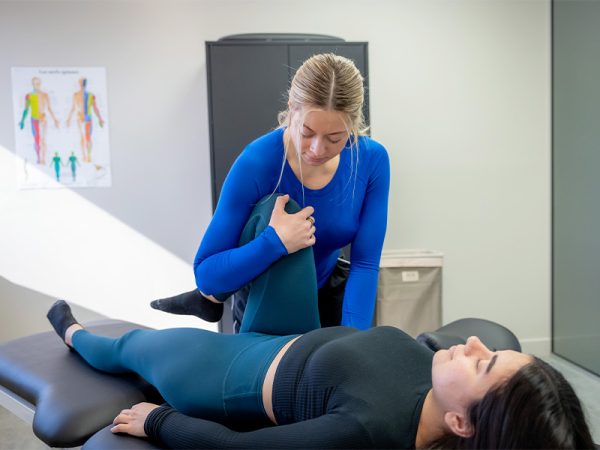
Osteopath treating pelvic imbalance related to lower back pain
Is There a Typical Osteopathy Session?
The short answer: no.
Each session is unique because it depends on:
- your condition
- your body
- the osteopath’s approach
An osteopath may favor certain techniques (cranial, visceral, etc.) or combine several approaches.
Result:
Two people with the same issue may receive completely different treatments.

Osteopath observing posture and performing spinal mobility tests
Why Consult an Osteopath?
Osteopathy has a broad scope of practice.
Here are the main reasons people consult:
Musculoskeletal Pain
- back pain
- neck pain
- sprains
- tendinitis
- sciatica
- numbness
Head and Nervous System Issues
- headaches
- migraines
- dizziness
- neuralgia
- sinus issues
Cranial techniques can also have effects in other areas (e.g. digestion, back pain).
Digestive and Visceral Issues
- acid reflux
- constipation
- digestive discomfort
Women’s Health and Pregnancy
- painful periods
- pregnancy support
- discomfort related to body changes
Stress and Overall Tension
Osteopathy can also help:
- reduce stree
- improve relaxation
- support overall balance
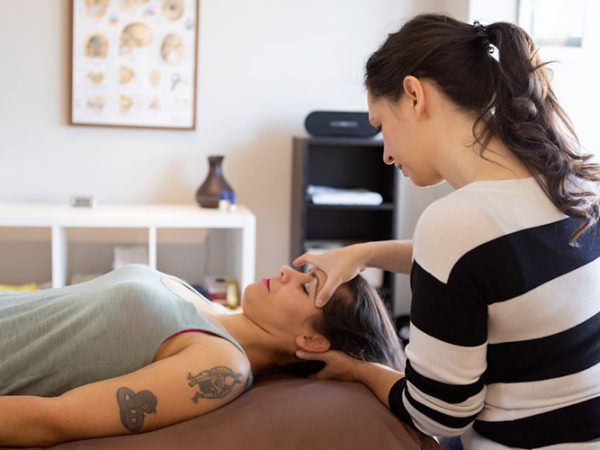
Osteopath performing cranial treatment
Is Osteopathy Right for You?
Every situation is unique.
If you have questions, the best thing to do is to speak with a qualified professional.
You can contact us via:
- website
- phone or text: 450‑686‑9913
- online booking: Book an appointment
FAQ – Osteopathy
Is osteopathy effective?
- back and neck pain
- headaches and migraines
- digestive issues
- stress-related tension
Is osteopathy painful?
How many sessions are needed?
- your condition
- how long it has been present
- your overall health
What is the difference between osteopathy and massage therapy?
Is osteopathy covered by insurance?
What should I wear to an osteopathy session?
- comfortable clothing
- flexible, athletic-style clothing
When should I see an osteopath?
- acute or chronic pain
- digestive issues
- stress or tension
- pregnancy care
Is osteopathy safe during pregnancy?
- relieve lower back and pelvic pain
- improve overall comfort
- support bodily changes
Can I see an osteopath even if I don’t have pain?
- improve mobility
- reduce stress
- prevent the onset of pain
What should I do after a session?
- fatigue
- mild soreness
- a sense of release
- stay well hydrated
- avoid intense activity for 24–48 hours
- follow any exercises or advice provided
No Comments